
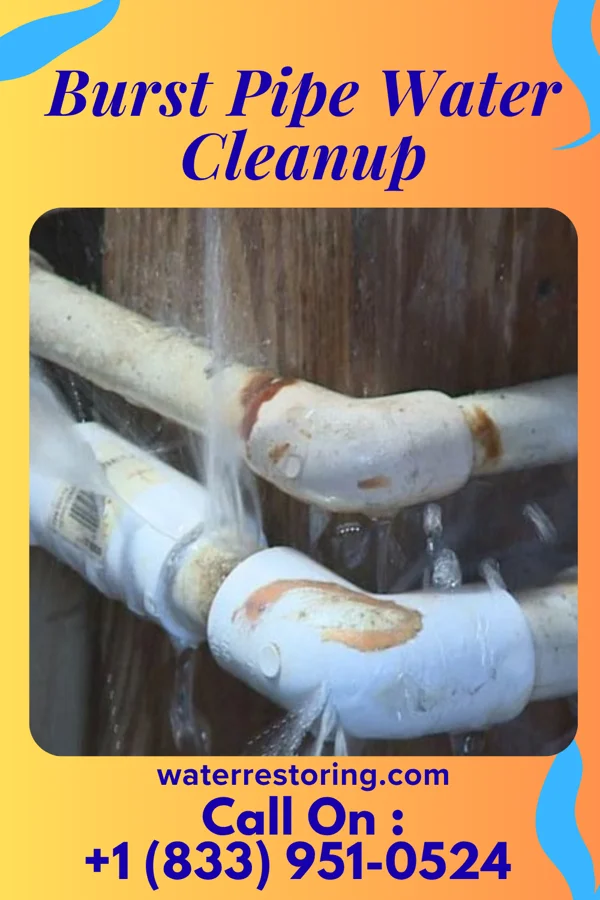
Why Pipes Burst in Waynetown Homes
Most water damage emergencies in Waynetown start with Waynetown, Indiana, experiences a higher risk of burst pipes due to its rural infrastructure, which often includes older plumbing systems in residential properties. The area's proximity to small towns like Hillsboro and Wingate means that some homes may not have modern water pressure regulation, increasing the likelihood of pipe failures during temperature fluctuations.. A close second is The region's seasonal changes, particularly the sudden thawing of frozen ground in spring, can cause ground movement that puts stress on underground pipes. Additionally, the use of well water in some parts of Waynetown can lead to mineral buildup, further weakening pipe integrity over time.. From the second water touches the property, every minute changes what gets saved and what gets ripped out.
The climate in Waynetown, Indiana, plays a critical role in pipe burst risks, with both extreme cold and seasonal thawing contributing to potential water damage. Homeowners in this rural area should be especially vigilant during the winter and early spring months when pipe failures are most common.
Most burst pipe water cleanup calls in Waynetown come from Waynetown, Indiana, experiences a higher risk of burst pipes due to its rural infrastructure, which often includes older plumbing systems in residential properties. The area's proximity to small towns like Hillsboro and Wingate means that some homes may not have modern water pressure regulation, increasing the likelihood of pipe failures during temperature fluctuations.. Running a close second is The region's seasonal changes, particularly the sudden thawing of frozen ground in spring, can cause ground movement that puts stress on underground pipes. Additionally, the use of well water in some parts of Waynetown can lead to mineral buildup, further weakening pipe integrity over time.. Local mold risk: Waynetown's humid summers and frequent rainfall can create ideal conditions for mold growth if water damage is not addressed promptly. Proper drying and dehumidification are crucial to prevent long-term health and structural issues.